Systematic Change to Mitigate Systemic Risks: How Asset Managers Can Facilitate Genuine Carbon Reduction in the Global Economy
Hosted by: Columbia Center on Sustainable Investment, Federated Hermes
Location: Federated Hermes Offices, 215 Park Ave S, New York, NY 10003
Mobilizing commercial capital for climate mitigation at scale requires more than better disclosure or smarter accounting. It requires rethinking the system. At a roundtable during London Climate Action Week, senior stakeholders across the financial ecosystem surfaced a core tension: the frameworks designed to manage risk are not the same as the ones needed to make new, desirable systems financeable — and conflating the two risks pushing capital away from where it is needed most.
This Part Two picks up where that conversation left off. Convening senior leaders across asset management, government, development finance, and industry, the discussion will convert ideas into a handful of practical, system-level solutions — focused on what asset managers, in collaboration with others, can do to shape where capital flows at scale.
Invite only
Navigating AI for Sustainable Futures: Managing Risks and Unlocking Opportunities
Hosted by: Columbia Center on Sustainable Investment, Hitachi R&D
Location: Pulitzer Hall, Columbia University
Much of today’s AI governance debate is organized around discrete risks — bias, misinformation, labor displacement. This framing misses a deeper question: how should societies govern a technology whose impacts evolve faster than the science and regulatory capacity meant to oversee it?
AI governance is inseparable from sustainability — not climate alone, but the full transition spanning energy, industry, labor, finance, and the information environments democratic decision-making depends on. AI shapes whether that transition succeeds or fails, which makes governing AI well a sustainability question in its own right.
Building on our report AI and Sustainability Transitions, this Climate Week event argues that AI governance and sustainability governance face the same institutional problem — and that the communities working on each urgently need to speak to one another.
Registration details coming soon
The Cool House
Hosted by: REEF
Location: Workville by Oasis, 315 W 35th St, New York, NY 10001
The Montreal Protocol proved that global cooperation works. The Kigali Amendment proved that climate action can scale. Cool House celebrates the people, partnerships, and innovations turning those commitments into measurable impact, interactive exhibits, live demonstrations, expert discussions, networking, and hands-on experiences into a full-day celebration of sustainable cooling.
Decarbonizing the HVAC sector goes beyond swapping out refrigerants or deploying heat pumps. CCSI’s work argues that three pillars — Refrigerant Transition, Refrigerant Circularity, and Energy Efficiency — must move in lockstep. Pursued in isolation, synergies are lost and trade-offs overstated. Pursued together, they offer a path to comprehensive, durable emissions reduction.
Stop by our table in the Community Hub to share where you see the biggest barriers — and what’s enabling progress.
Leadership at the Intersection of Capital and Sustainability
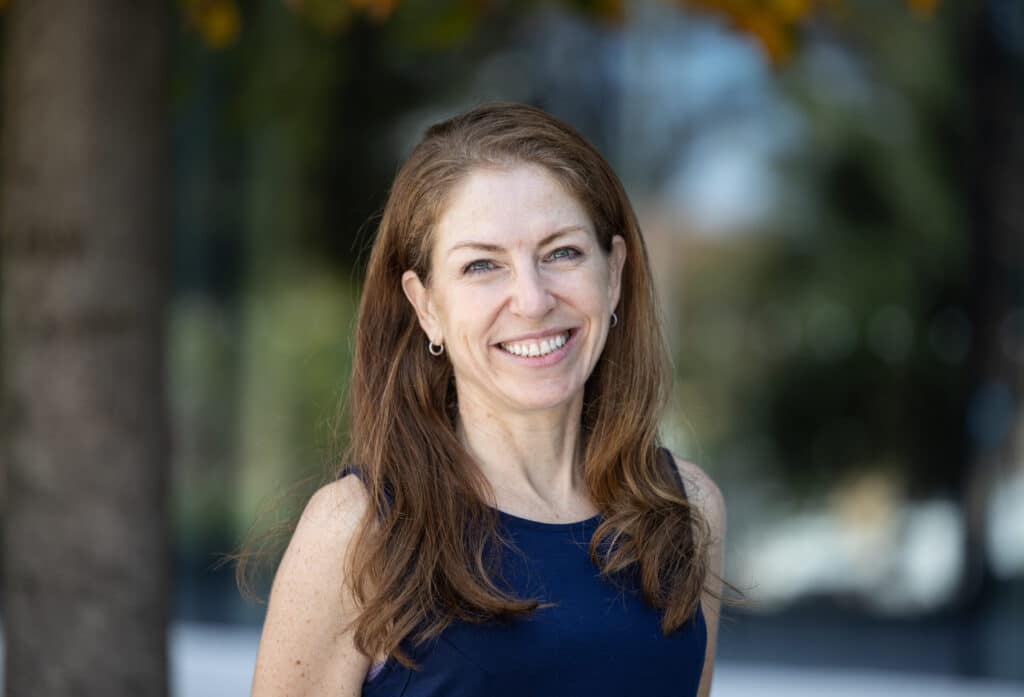
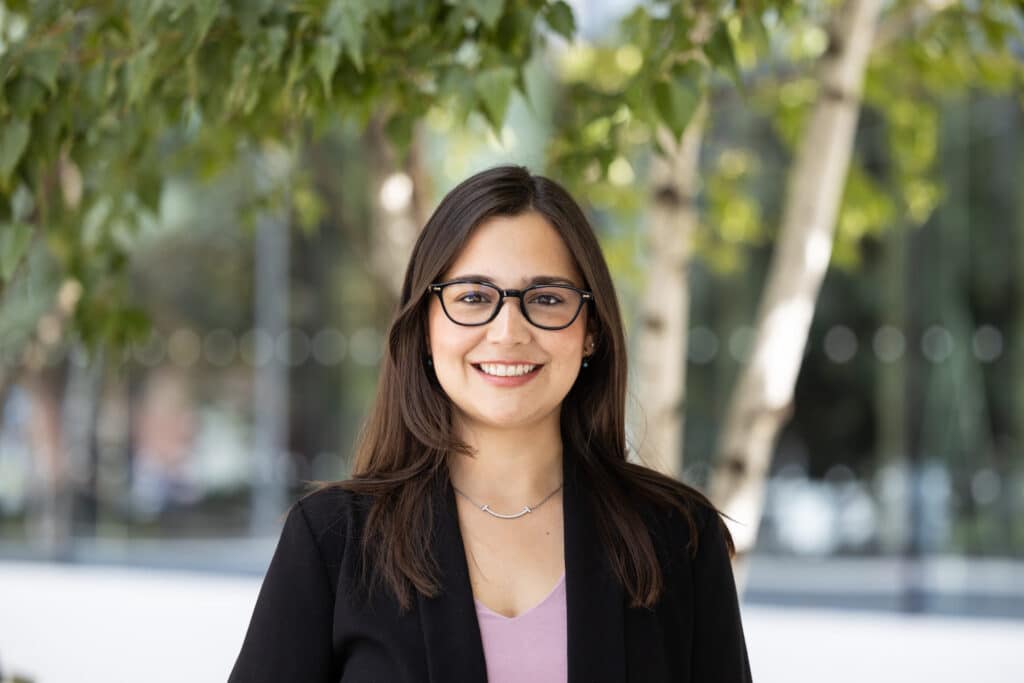
What does it actually mean for corporate leaders to take climate seriously — and where do current frameworks fall short? Lisa Sachs joins Samara Rudolph, Senior Director of Sustainability at Rivian, for a conversation on leadership at the intersection of capital and sustainability. Drawing on her recent work arguing that the proliferation of net-zero targets has not translated into commensurate emissions reductions — and that corporate climate action needs to shift from entity-level accounting toward systems transformation — and on her report From Planetary Hazard to Financial Stability, Lisa will bring a clear-eyed view of what finance and corporate actors can and cannot do on their own.
Securing growth in a resource-constrained world
Hosted by: Earth Finance, SpatiaFi
Location: TBA
Every growth plan rests on assumptions about the physical world — that water and power will be available, infrastructure will hold, and critical supplies will arrive. Those assumptions are breaking down.
Earth Finance is convening a cross-disciplinary panel on Spatial Finance: the integration of geospatial data, AI, and analytics into financial decision-making at the asset level. The discussion will examine what leaders need to know before deploying capital in a resource-constrained world, and why traditional risk models increasingly fall short.
CCSI’s Lisa Sachs will join the panel alongside experts spanning finance, academia, and industry. The panel will be followed by a networking reception and live demonstrations of SpatiaFi, Earth Finance’s spatial finance platform.