A Specialized Guarantee Facility for Industrial Decarbonization: The Case for a Dedicated, Pooled Risk-Sharing Instrument
This blog was originally published on Illuminem, and has been co-authored with Rhian-Mari Thomas. She is the CEO...

This blog was originally published on Illuminem, and has been co-authored with Rhian-Mari Thomas. She is the CEO...



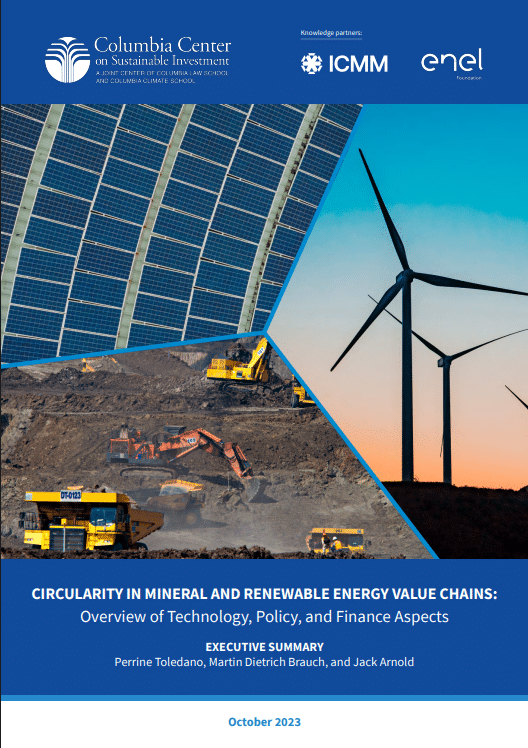
The global transition to renewable energy systems will be mineral intensive and, under the current linear economy conditions,...


An SDG-based handbook providing governments and stakeholders with a practical methodology to diagnose development gaps, identify investment priorities, and coordinate collective action for resilient, prosperous coffee-growing communities


 +2
+2
Coffee production faces a growing crisis. Across major coffee-growing regions, millions of farmers and rural communities are caught in cycles of poverty, rising vulnerability from climate change, environmental degradation, and chronic underinvestment in basic services. Despite coffee’s central role in rural livelihoods and export revenues, most farmers remain price-takers at the end of a volatile global supply chain. The result is persistent poverty, deforestation, a lack of basic services, and increased pressure on already fragile ecosystems. Addressing these structural challenges demands not just technical fixes, but coordinated and inclusive strategies that align investments, governance reforms, and local priorities.
CCSI, in collaboration with the United Nations Sustainable Development Solutions Network (SDSN), has put together a Sustainable Development Goals (SDG)-based Handbook that responds to this urgent need. It provides governments and stakeholders with a practical methodology to diagnose development gaps, identify investment priorities, and coordinate collective action for resilient, prosperous coffee-growing communities.
The approach was developed and refined through field simulations in Cerrado Mineiro (Brazil), Huila (Colombia), and Brunca (Costa Rica), where stakeholder consultations helped shape methods for data collection, costing, and financing strategies. While global in scope, the methodology is designed to be highly adaptable, responding to diverse institutional capacities, governance dynamics, poverty levels, and the unique characteristics of coffee-producing regions.
The core methodology of the Handbook is structured around three components:
The Handbook concludes with recommendations for advancing Coffee SDG Plans through inclusive and collaborative approaches:

Across coffee-growing regions, governments and coffee growers are asking how to align investment with sustainable development goals. They are als...
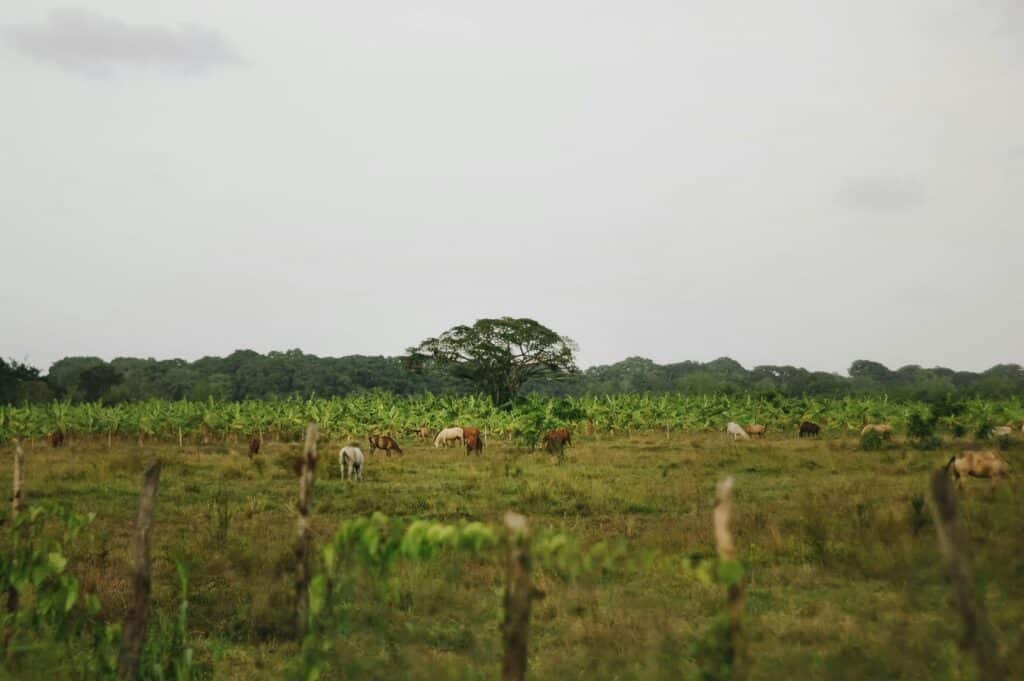
Supporting governments, civil society, communities and peoples, and other relevant actors in strengthening the governance of land-based investmen...

ARIES (ASEAN Regional Integrated Energy System) is a practical pathway for ASEAN to advance the ASEAN Power Grid (APG), through coordinated regio...

Indonesia is in a unique position to pioneer a new model of resource-based sustainable development. Its vast nickel reserves are crucial for the ...

Resource-rich countries sometimes insert requirements for local content (“local content provisions”) into their legal framework, through legi...
Explore connected work
Document