Time and Compromise in UNCITRAL’s Working Group III
During the week of 22 September 2025, States once again met in Vienna under Working Group III (WGIII)...
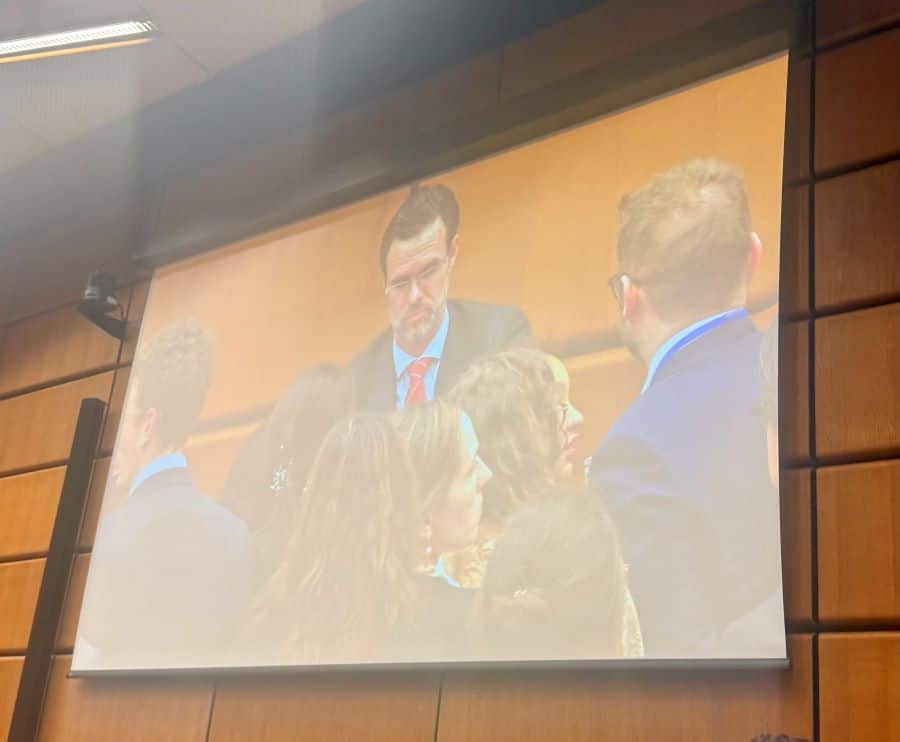
During the week of 22 September 2025, States once again met in Vienna under Working Group III (WGIII)...

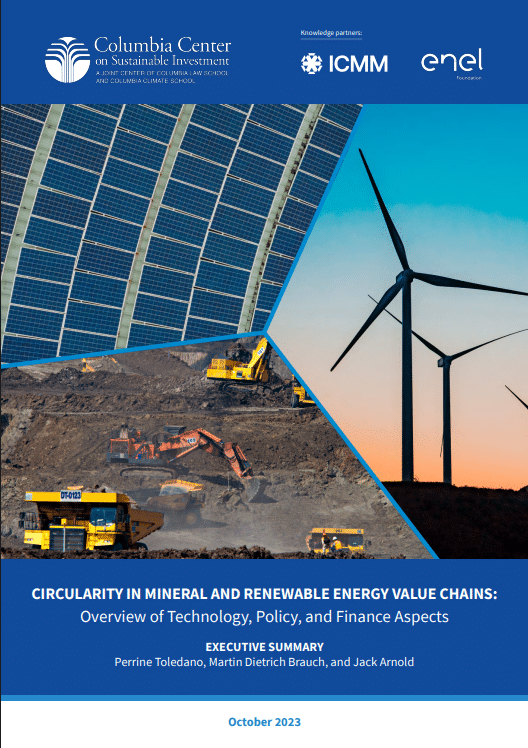
The global transition to renewable energy systems will be mineral intensive and, under the current linear economy conditions,...


Designing strategies that integrate sustainability, equity, and long-term economic resilience
Traditional development plans often lack cross-sectoral, and institutional coordination, leaving strong visions unimplemented.
As a result, fragmented financing initiatives by governments, philanthropies, and the private sector lead to misalignment for systemic impact.
We begin by understanding national and regional priorities, as well as political-economy realities, and work alongside governments over time to establish iterative planning cycles.
By promoting long-term strategies such as industrial policy and sectoral roadmaps, and by building intra-governmental coordination for whole-of-government planning, we help ensure coherent policies that align public, private, and philanthropic capital. We then co-create tools and diagnostics that draw on our team’s unique combination of legal, economic, land-use, nature, and climate expertise. Financing strategies are integrated early, ensuring plans are grounded in costed investment pathways that balance public responsibilities with opportunities for blended and private investment.

Across coffee-growing regions, governments and coffee growers are asking how to align investment with sustainable development goals. They are als...

ARIES (ASEAN Regional Integrated Energy System) is a practical pathway for ASEAN to advance the ASEAN Power Grid (APG), through coordinated regio...

Indonesia is in a unique position to pioneer a new model of resource-based sustainable development. Its vast nickel reserves are crucial for the ...
Filter by:
Type 0
Region 0
Author 0
Type 0
Region 0
Author 0

Exploring the HVAC sector’s role in decarbonizing the built environment while meeting surging heating and cooling demand through a transition to low-GWP, PFAS-free refrigerants, stronger refrigerant circularity (recovery, reuse, and leakage prevention), and high-efficiency practices. CCSI’s guide maps these as a single, mutually reinforcing nexus, backed by credible transition plans.


Mining, Metals and Resource-based Development / Report
Mining, Metals and Resource-based Development / Discussion paper
 +1
+1Follow connections across themes to uncover deeper perspectives.
View All
Designing financing architectures that align public and private capital with climate and development priorities....

Transforming food systems toward more regenerative, equitable, and climate and biodiversity-aligned models...

Accelerating low-carbon industry by aligning technology, policy, finance, and development priorities across entire value chains...

Aligning mining with the Sustainable Development Goals, with a focus on resource-rich developing economies...

Designing financial frameworks and strategies that align financial-sector decision-making with real-economy climate and development outcomes....