Time and Compromise in UNCITRAL’s Working Group III
During the week of 22 September 2025, States once again met in Vienna under Working Group III (WGIII)...
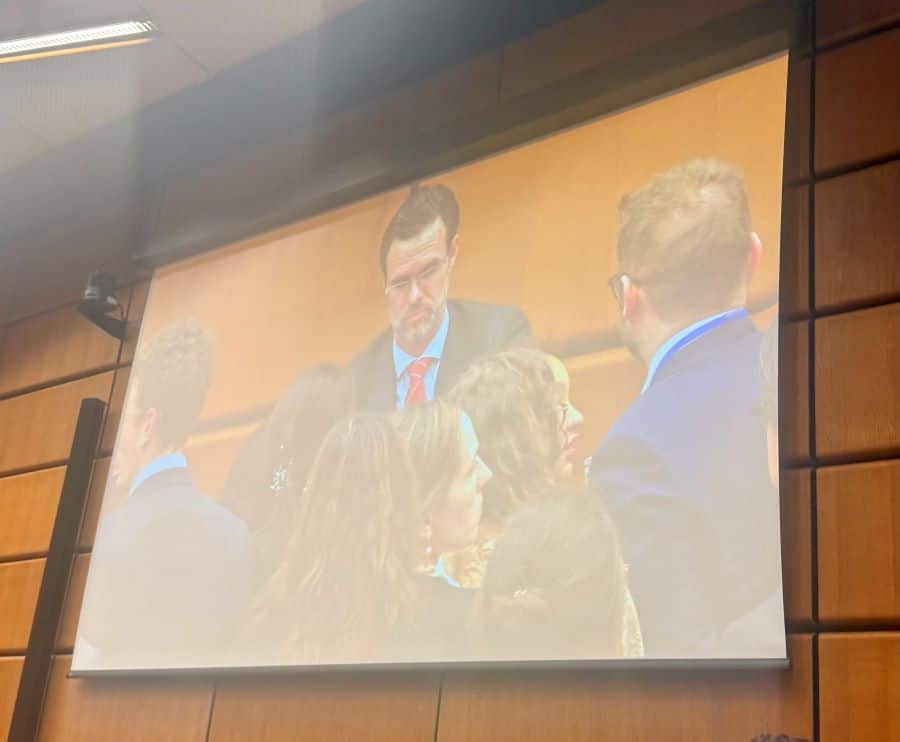
During the week of 22 September 2025, States once again met in Vienna under Working Group III (WGIII)...

The global transition to renewable energy systems will be mineral intensive and, under the current linear economy conditions,...


Global efforts to improve the governance and development performance of land-based investments often fall short of their intended outcomes, in part because they fail to adequately account for the political and institutional contexts within which these efforts unfold. This working paper explores possibilities of working in ways that are actively mindful of political economy contexts in hopes of improving these trajectories.
The working paper builds on CCSI’s prior analyses of political economy-informed approaches and draws on real-world cases and lessons from the ALIGN initiative, co-implemented by CCSI, the International Institute for Environment and Development (IIED), and Namati. It explores how political economy analysis can reveal key underlying power, incentive, and institutional dynamics that shape investment decisions and outcomes. This paper also presents a working framework for identifying the major challenges and opportunities that reformers face from their political economy contexts, from hidden veto points to reform windows. The analysis then provides ideas for integrating these considerations into the design and implementation of efforts intended to improve land-based investment governance, whether by addressing competing interests, capitalizing on windows of opportunity, strategically framing narrative, or supporting coalitions for change.
This resource is designed for development partners, advisors, government officials, and civil society actors working to make land-based investment more inclusive, accountable, and development-oriented. It aims to offer actionable ideas for integrating political economy-savvy approaches into decision-making processes and in doing so, improving prospects for positive change and durable impacts.
We welcome engagement on this topic. If you have information or ideas to share, contact Hansika Agrawal (ha2665@columbia.edu ) and Esther Akwii (ea3078@columbia.edu).
This resource was produced as part of ALIGN, funded by UK Aid from the UK government.