Time and Compromise in UNCITRAL’s Working Group III
During the week of 22 September 2025, States once again met in Vienna under Working Group III (WGIII)...

During the week of 22 September 2025, States once again met in Vienna under Working Group III (WGIII)...

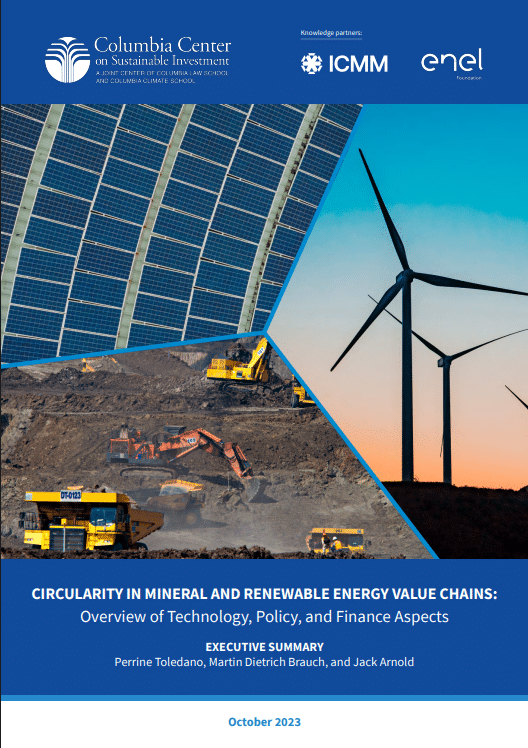
The global transition to renewable energy systems will be mineral intensive and, under the current linear economy conditions,...


Accelerating low-carbon industry by aligning technology, policy, finance, and development priorities across entire value chains

Heavy industries — such as steel, aluminum, cement, and chemicals — are essential to economic development, yet they account for roughly 30% of global emissions. Decarbonizing these sectors requires a coordinated mix of clean energy, emerging technologies, reliable infrastructure, and the phase-out of fossil fuels both as feedstock and as a source of high-temperature heat. It also depends on supportive policy and significant capital investment.
Because industrial decarbonization is closely tied to competitiveness and long-term value creation, slow action risks locking in high-emissions assets and limiting access to future low-carbon markets.
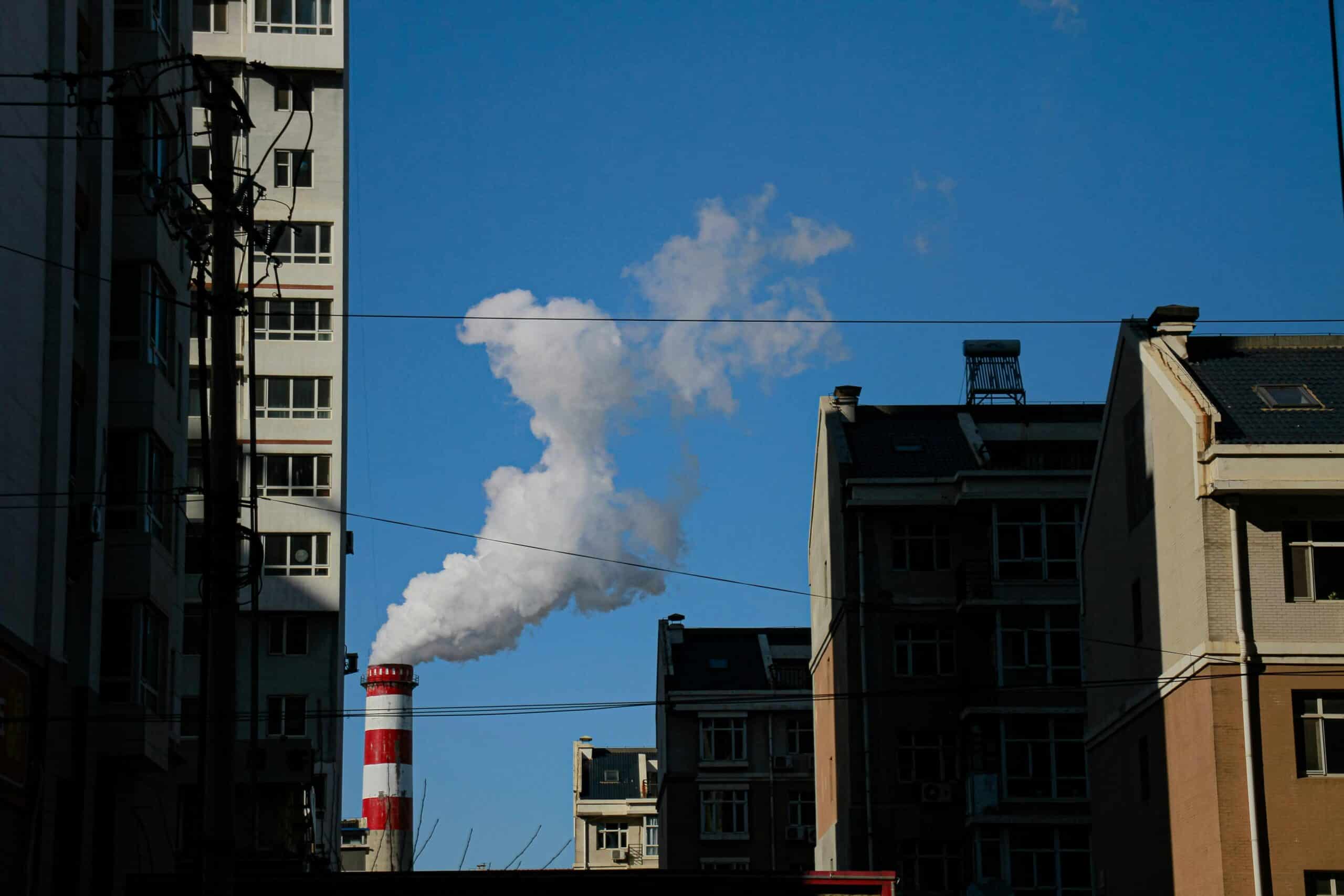
We examine heavy industry within whole-of-economy transition plans and across the full value chain to ensure decarbonization efforts align with national development goals and industrial competitiveness.
Our work assesses the financing needs for industrial transformation and develops strategies to address the supply–demand imbalance in low-carbon products, identifying how public, private, and concessional finance can support infrastructure, technology adoption, and long-term competitiveness. We also explore pathways for regional integration, enabling countries to build on their respective strengths to create hubs for accelerated decarbonization through shared infrastructure, coordinated policies, and circular economy principles.

The heavy industry sector, a significant contributor to global CO2 emissions, is at a critical juncture. Accounting for...

Filter by:
Type 0
Region 0
Author 0
Type 0
Region 0
Author 0

Exploring the HVAC sector’s role in decarbonizing the built environment while meeting surging heating and cooling demand through a transition to low-GWP, PFAS-free refrigerants, stronger refrigerant circularity (recovery, reuse, and leakage prevention), and high-efficiency practices. CCSI’s guide maps these as a single, mutually reinforcing nexus, backed by credible transition plans.

Follow connections across themes to uncover deeper perspectives.
View All
Improving transparency and consistency in measuring and reporting greenhouse gas emissions worldwide...

Designing strategies that integrate sustainability, equity, and long-term economic resilience...

Strengthening industrial strategies through ambitious and achievable national plans for climate action and sustainable development...

Assessing what’s truly actionable for businesses within real mandates, markets, and sustainability commitments...