Time and Compromise in UNCITRAL’s Working Group III
During the week of 22 September 2025, States once again met in Vienna under Working Group III (WGIII)...

During the week of 22 September 2025, States once again met in Vienna under Working Group III (WGIII)...

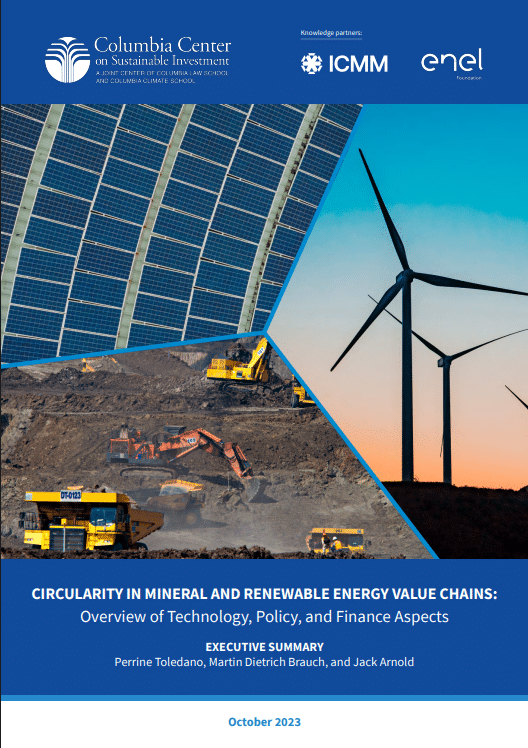
The global transition to renewable energy systems will be mineral intensive and, under the current linear economy conditions,...


Scaling investment in renewable energy systems and phasing out fossil fuels in a just, orderly, and equitable manner

The shift to low-carbon energy is reshaping economies across the world, but planning processes still take place in siloes. Good planning is no longer just about technology choices — it’s about building institutions and planning processes that can steer complex, system-wide change.
Strong global governance and cross-border coordination, can further help connect climate goals with industrial competitiveness, energy security, and development priorities, to deliver equitable access to affordable energy.
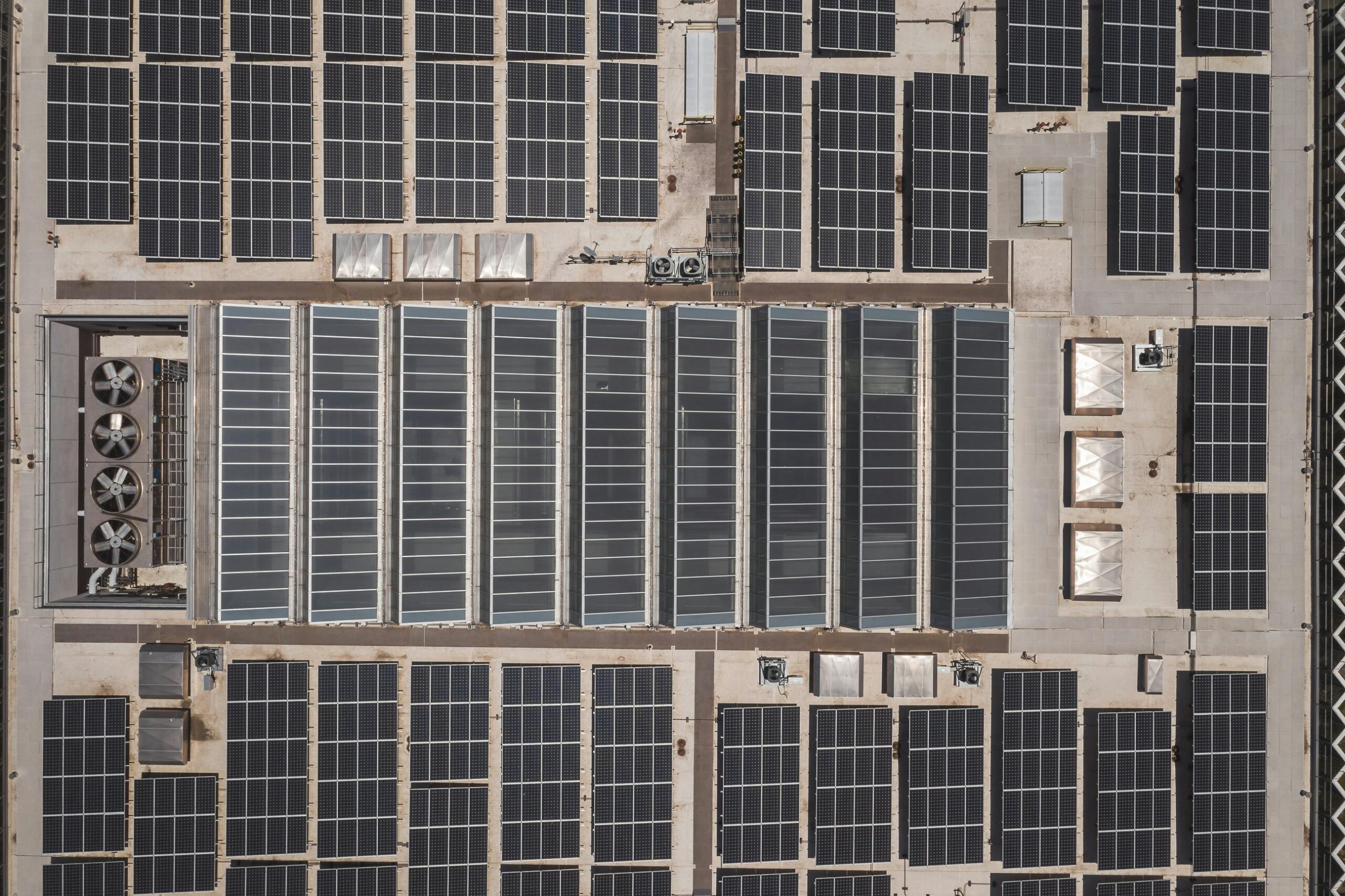
We help governments and regional bodies design integrated, least-cost energy pathways by bringing together planning, law, finance, industrial policy, and community rights. This enables investment decisions that account for factors ranging from grid capacity and generation sources to the cost of capital and community impacts.
Energy-intensive industries — such as mining, hard-to-abate sectors, and data processing centers — provide a unique opportunity to anchor renewable energy investments under shared-use agreements, expanding a country’s green infrastructure. We facilitate the development of cross-border governance frameworks that further unlock electricity trade, shared infrastructure, and harmonized policies.
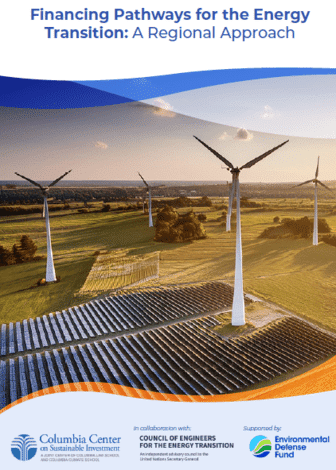
Financing Climate & Sustainable Development / Report
The success of the global energy transition critically requires a shift from a solely national focus to a...

Filter by:
Type 0
Region 0
Author 0
Type 0
Region 0
Author 0
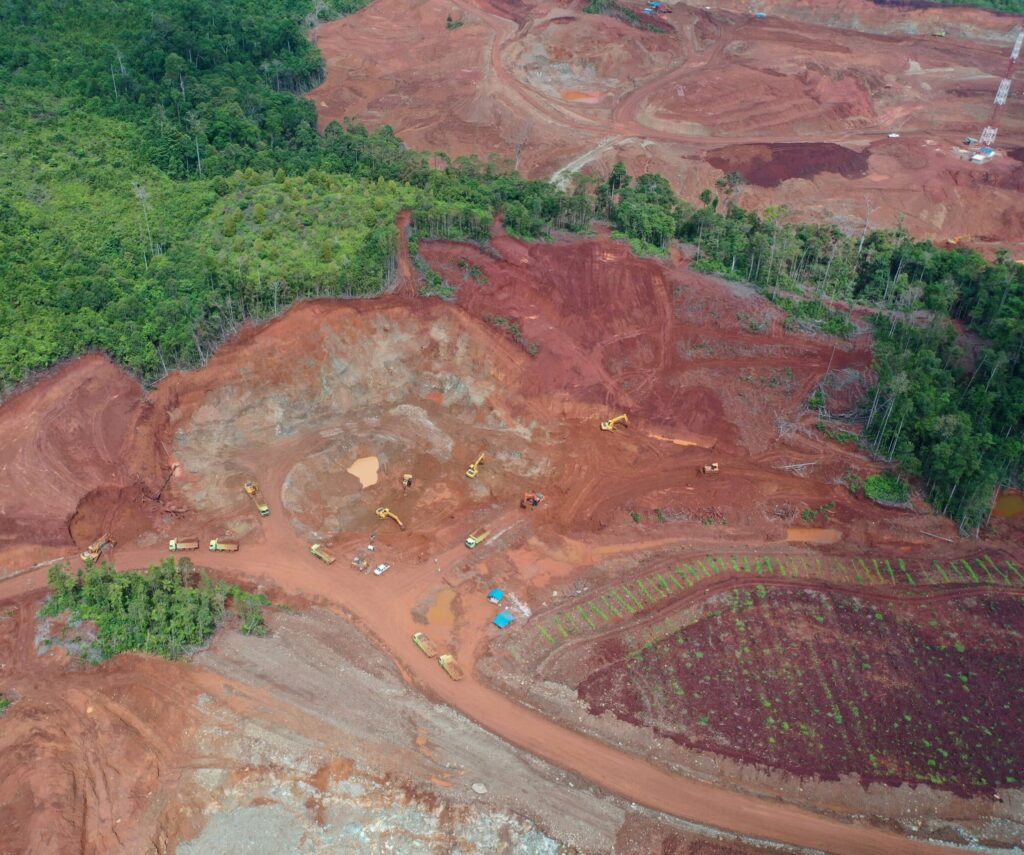
How can national transition planning better embed responsible land governance practices to ensure just transitions? Drawing on applied experience in Indonesia and Zambia, this report synthesizes lessons from civil society action and policy engagement to offer practical strategies for governments, subnational authorities, and practitioners navigating the land governance dimensions of the energy transition.



Designing strategies that integrate sustainability, equity, and long-term economic resilience...

Accelerating low-carbon industry by aligning technology, policy, finance, and development priorities across entire value chains...

Strengthening industrial strategies through ambitious and achievable national plans for climate action and sustainable development...

Aligning mining with the Sustainable Development Goals, with a focus on resource-rich developing economies...

Assessing what’s truly actionable for businesses within real mandates, markets, and sustainability commitments...

Designing financial frameworks and strategies that align financial-sector decision-making with real-economy climate and development outcomes....