Time and Compromise in UNCITRAL’s Working Group III
During the week of 22 September 2025, States once again met in Vienna under Working Group III (WGIII)...
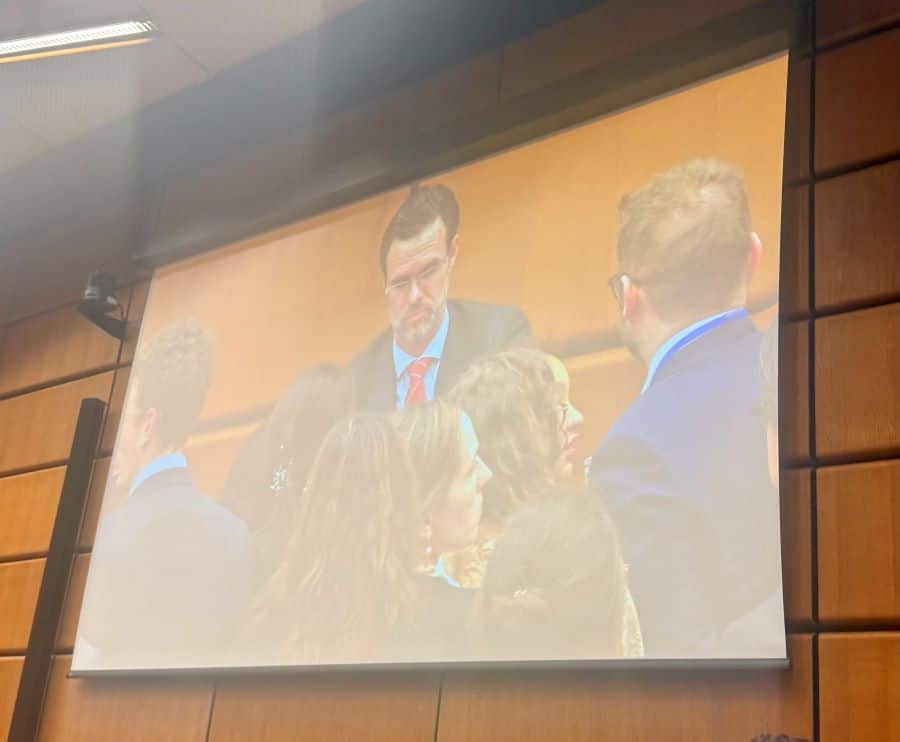
During the week of 22 September 2025, States once again met in Vienna under Working Group III (WGIII)...

The global transition to renewable energy systems will be mineral intensive and, under the current linear economy conditions,...


This paper critically examines whether the UNCITRAL Working Group III reform process in investor-State dispute settlement (ISDS) is procedurally inclusive and meaningfully accessible to developing countries, which are disproportionately subject to ISDS claims. Drawing on attendance and participation patterns across five negotiating sessions between September 2022 and January 2024, the analysis reveals persistent disparities in engagement among States. While high-income countries continue to dominate the process, developing countries have nonetheless made strategic interventions and secured limited gains, despite facing significant obstacles. Their ability to participate meaningfully, however, is constrained by deeper systemic disadvantages – including resource disparities, language and expertise gaps, delegation instability, and limited access to regional preparatory processes. Rather than establishing causality, the paper traces how these conditions shape the terrain of participation, offering insight into the broader dynamics and limitations of multilateral investment treaty reform.