Time and Compromise in UNCITRAL’s Working Group III
During the week of 22 September 2025, States once again met in Vienna under Working Group III (WGIII)...
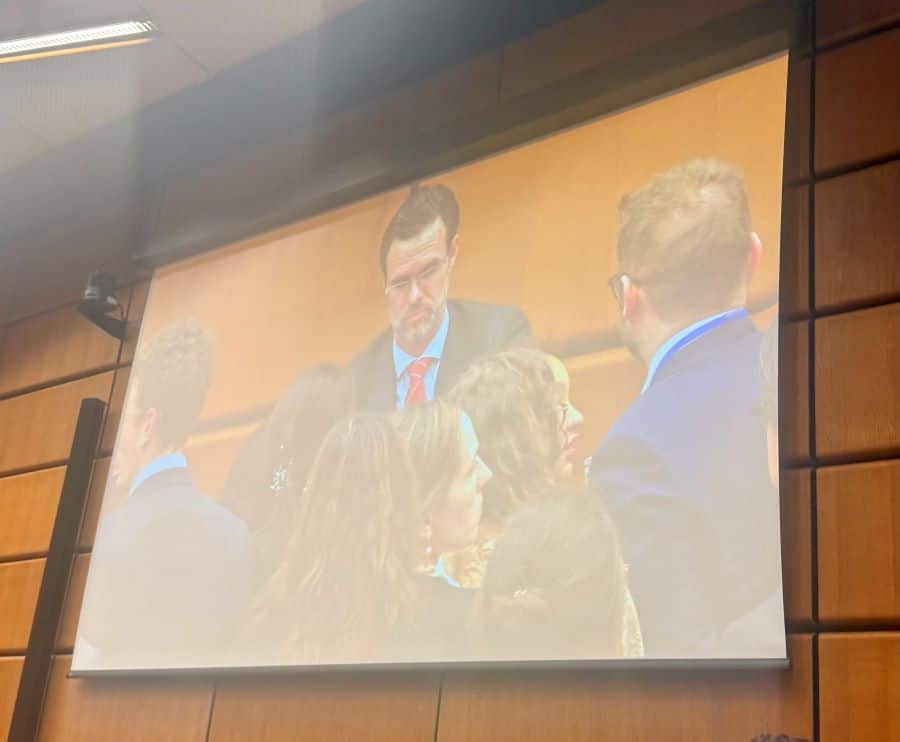
During the week of 22 September 2025, States once again met in Vienna under Working Group III (WGIII)...

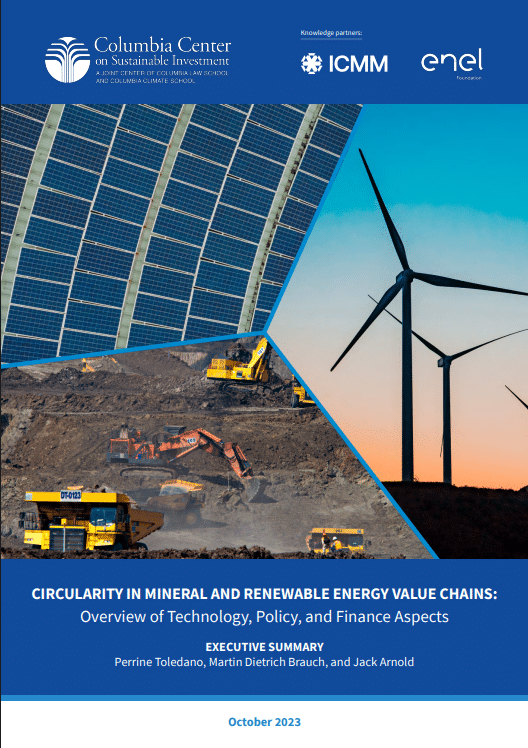
The global transition to renewable energy systems will be mineral intensive and, under the current linear economy conditions,...


How can national transition planning better embed responsible land governance practices to ensure just transitions? Drawing on applied experience in Indonesia and Zambia, this report synthesizes lessons from civil society action and policy engagement to offer practical strategies for governments, subnational authorities, and practitioners navigating the land governance dimensions of the energy transition.


Just transition considerations manifest differently across scales. For example, at the international level, distributional debates may focus on who pays, who benefits, and how costs are shared between states. At the national level, particularly in Emerging Markets and Developing Economies, just transition discussions frequently emphasize how to leverage transition-linked investments, such as in transition minerals, to advance macro-level development objectives. At the local level, the focus shifts to how transition-linked projects affect land use, livelihoods, and tenure security, including whether affected communities are meaningfully consulted.
Reconciling these perspectives is critical when applying lessons across contexts and designing land governance interventions.
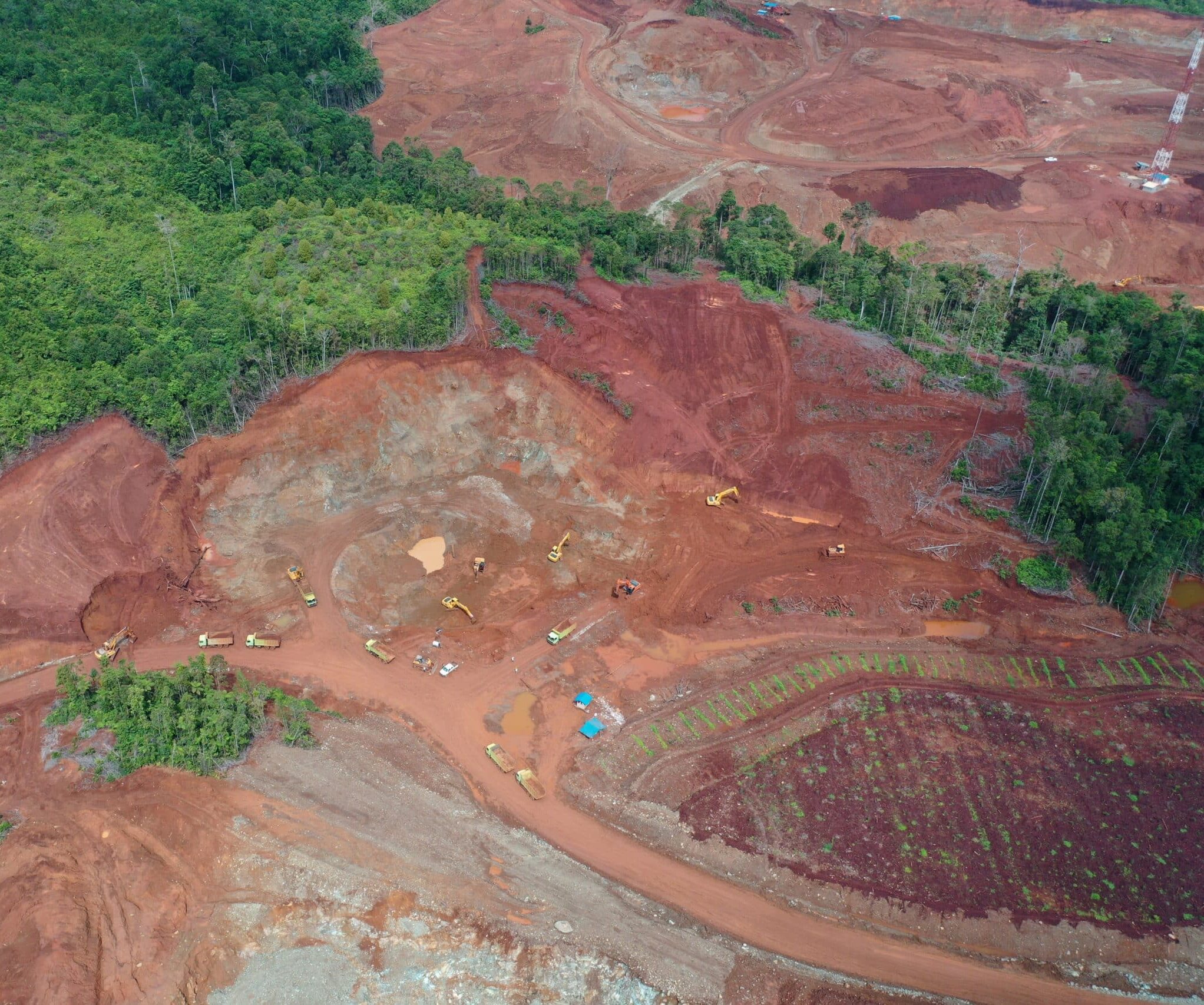
The global energy transition is highly land-intensive, generating new and competing demands locally, from land-based economies through the expansion of transition mineral extraction, renewable energy, biofuels and biomass, and associated infrastructure. The transition therefore cannot be understood solely as an industrial, technological or financial shift; it is also a reorganization of how land is allocated, controlled, and used.
This report explores how national energy transition plans can better embed responsible land governance practices, by synthesizing applied lessons from civil society action and policy engagement in Indonesia and Zambia.
For the purposes of this report, whether energy transitions are just can be understood through three interrelated elements:
This report offers governments, subnational authorities, and civil society organizations a set of practical, evidence-based strategies for doing so — grounded in years of applied engagement in Indonesia and Zambia, and relevant to the broader range of countries navigating the governance demands of the energy transition.
This report identifies four elements of land governance that are particularly consequential for just transition outcomes — and where practical strategies exist to strengthen planning and implementation.
This resource was produced in collaboration with the International Institute for Environment and Development (IIED) as part of ALIGN, funded by UK Aid from the UK government.
Mining, Metals and Resource-based Development / Report