Time and Compromise in UNCITRAL’s Working Group III
During the week of 22 September 2025, States once again met in Vienna under Working Group III (WGIII)...
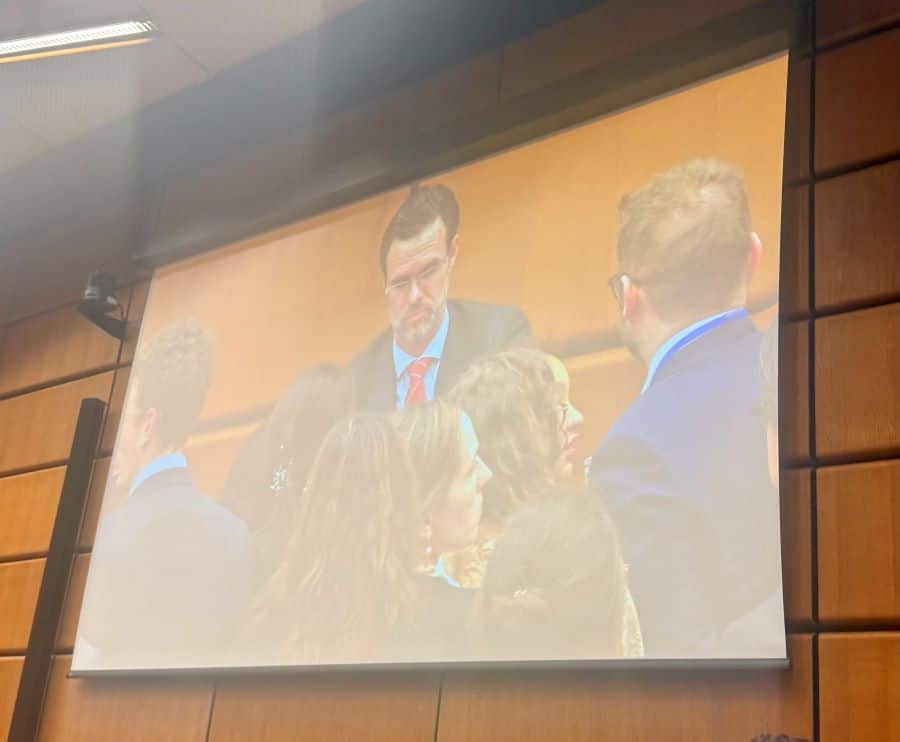
During the week of 22 September 2025, States once again met in Vienna under Working Group III (WGIII)...


The global transition to renewable energy systems will be mineral intensive and, under the current linear economy conditions,...


CCSI evaluated laws, policies, and proposed mechanisms for redress to understand whether and to what extent they address the remedy gap faced by individuals or communities affected by investment projects.
This work included exploring implications for the ability of local rights holders to obtain redress when investors or lenders withdraw from a project, or when a project fails. What are the implications for individuals’ or communities’ ability to obtain redress for harms after investors or lenders have pulled out of a project, or after a project has failed? In light of the continued pressure on investors and lenders to divest from problematic projects, as well as the number of land deals that have failed altogether, it is critical to develop a better understanding of the unique obstacles to redress that may arise in such scenarios. CCSI worked to examine the loopholes, gaps, and unenforceable elements in laws and policies regarding redress of harms to communities when investors or funders have left a project (for example, due to divestment or abandonment)—an underexplored and complicated aspect of legacy issues—and to develop proposed solutions for improving redress options in those circumstances. For example, could social assurances, coupled with more robust project closure plans, be used to help guarantee the funds needed for redress options? How might this work in practice, and how could it be structured in a way that is ultimately beneficial, rather than harmful, for communities? This work was part of a series of projects and activities, supported by UK DFID, looking at legal support gaps in the context of land-based investments.
CCSI also provided comments during the development of the Hague Rules on Business and Human Rights Arbitration, drawing attention to procedural and substantive gaps the Rules could seek to address.