Time and Compromise in UNCITRAL’s Working Group III
During the week of 22 September 2025, States once again met in Vienna under Working Group III (WGIII)...
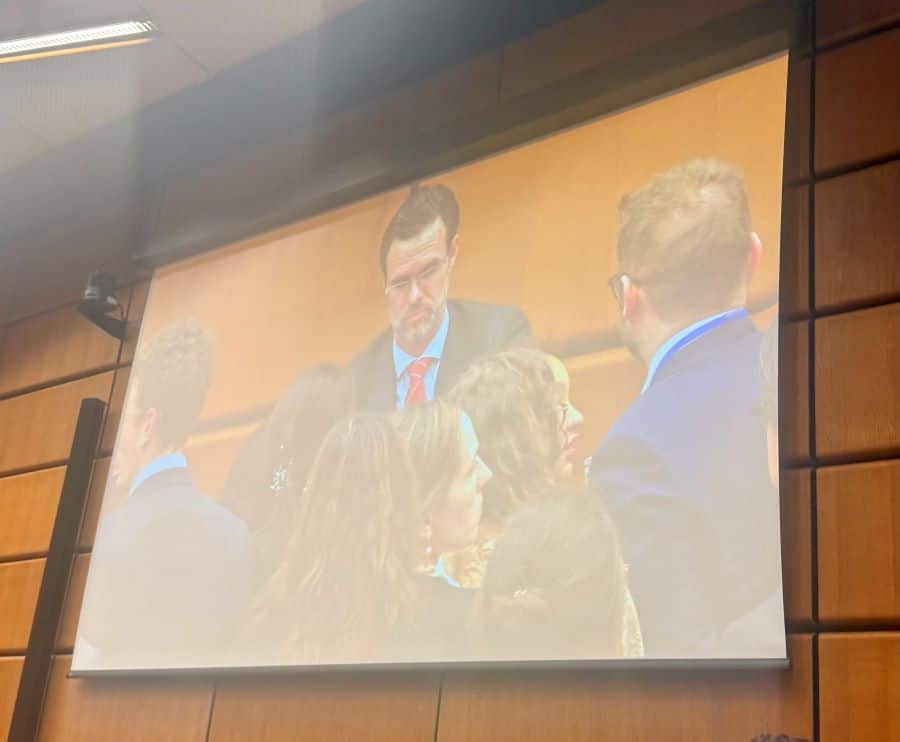
During the week of 22 September 2025, States once again met in Vienna under Working Group III (WGIII)...

The global transition to renewable energy systems will be mineral intensive and, under the current linear economy conditions,...


Mining, Metals and Resource-based Development
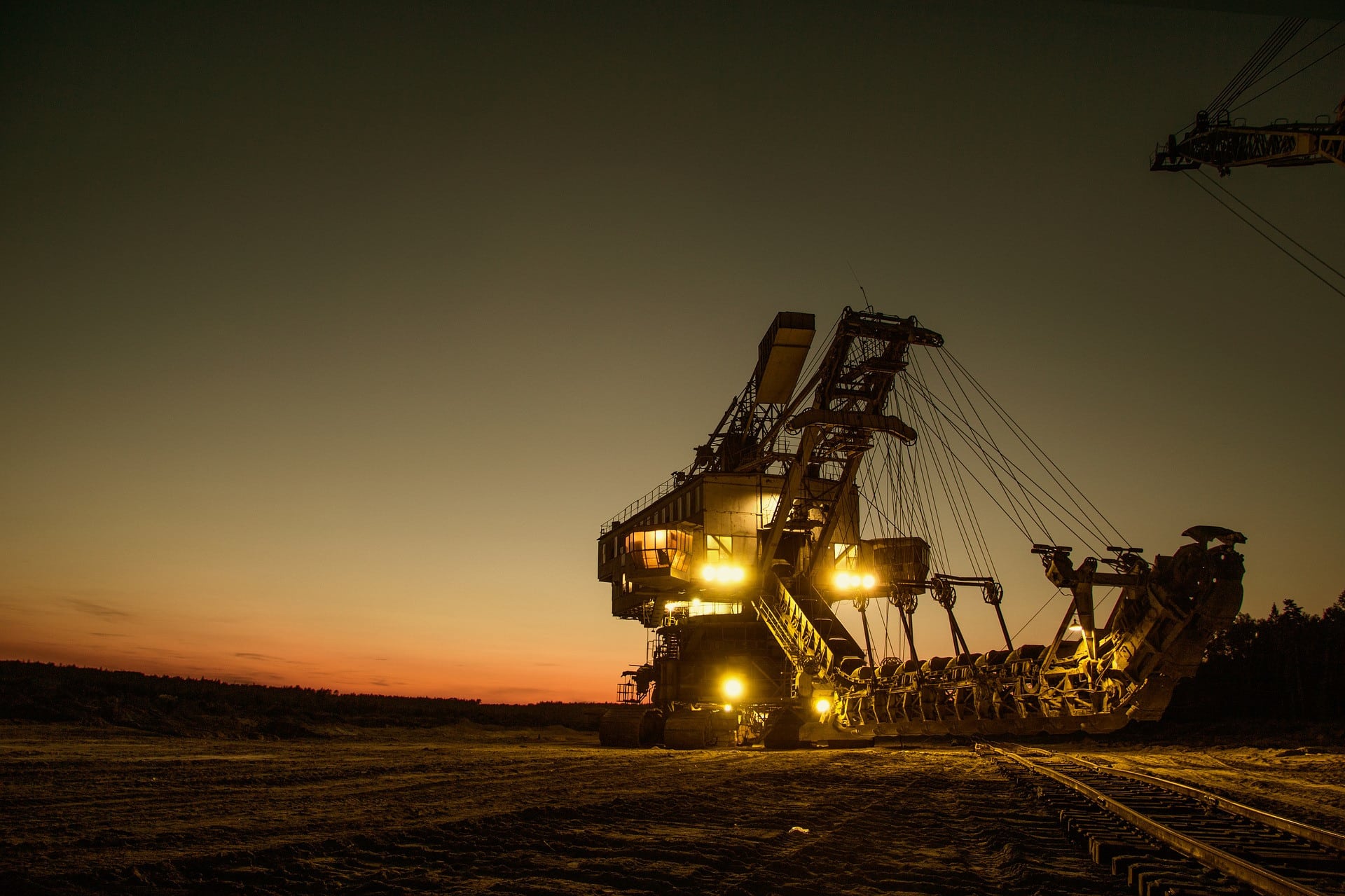
The topic of this GAR Interactive: Mining is precisely at the intersection of two areas experiencing dynamic transitions and focused attention right now. Each of the two sectors—mining and arbitration—has come under increased public scrutiny over the past decade for its respective approaches to and impacts on the Sustainable Development Goals (SDGs).
Let me start with mining: on one hand, mined materials are the building blocks of our global economies, and demand will continue to increase for many mined materials in the coming years. The spotlight is on the so-called “critical minerals”—the minerals that are necessary for our digital future and our net-zero emission future. But the increased demand for many minerals will push mining into new frontiers, requiring more land, energy, resources, and so on.
Mining is at the heart of the sustainable development challenge—through the materials produced, the mining operations and the jobs created, the projects’ supply chains and the infrastructure that is developed, and through company payments in taxes and royalties.
The sector is critical for sustainable development, and in many countries, the mining sector is a key source of wealth—often the main one. But it is also important to understand the mining sectors’ features that impact on the SDGs and that make it particularly prone to tensions and disputes.
Mining projects are resource-intensive; they often take place in remote and impoverished communities, sometimes requiring displacement of communities or other livelihoods; and they inevitably impact on the environment, including on water sources and biodiversity.
The track record of mining projects has not been so great. Both companies and their government counterparts have historically contributed to or enabled truly grave social and environmental impacts. Public trust in the sector has eroded considerably. Not all of it is so historical: only in the past few years, we have had the crises at Juukan Gorge and Brumadinho, more local conflicts with violent confrontations between communities and security forces, allegations of corruption, tax avoidance, and so on.
We work with mining companies around the world, and many of them are working hard to mitigate their impacts and to promote development in the areas in which they operate. But the truth is that the challenges of mitigating impacts and promoting development remain very difficult and incomplete, for many of the aforementioned reasons.
Governments play a critical role in the management of the mining sector, to mitigate risks and impacts, and to distribute anticipated benefits. Proper management of the sector requires:
These are the components of good governance of the sector. They are necessary.
And yet they are also often the precise measures that companies challenge in arbitration. Indeed, each of those examples has been at the root of recent arbitration claims:
Each of these cases of course has distinct fact patterns and context, and I do not mean to over simplify. But it is important to note that these are all cases that are brought outside of the domestic context—sometimes challenging the determination of local institutions or courts without any allegations of impropriety of those institutions or courts—and they exclude the participation of stakeholders that are affected by the underlying dispute and by the outcome.
I also want to say something about the awards, and their impacts on countries. My colleagues and I calculated recently that 86% of extractives claims were brought against countries with a gross national income of less than US$ 12,535 per capita. And the size of some of the awards is extraordinary. Most notably—and really troubling—would be the US$ 6 billion award, including interest, against Pakistan in the Tethyan case, for a project that had not yet secured a legally recognized right to extract and may very well not have succeeded as a project because of a number of factors, including community opposition, allegations of corruption, disagreement over project terms, and so on. It is also one of the cases in which the tribunal brazenly overruled the determination of the national Supreme Court.
These types of disputes—the nature of the measures being challenged, the exclusion of local stakeholders from the arbitration process, the size of some of the awards—are all contributing to the increased scrutiny of investment arbitration. Like mining, investment arbitration is facing growing distrust among important constituencies, including a growing number of countries and public officials.
The sessions that follow in the GAR Interactive: Mining program invite discussants to think more deeply about the types of tensions and disputes that arise in the mining sector. I encourage that reflection to not take Investor–State Dispute Settlement (ISDS) as the starting point, but to reflect on how counsel can support companies to manage these tensions—many of which, again, are at the heart of the sustainable development challenge—long before they become ISDS claims.
How companies manage these tensions—before they become disputes and then if and as disputes arise—is decisive for the success of the projects and the legitimacy of the mining companies. It is also decisive for the legitimacy of counsel and of dispute prevention and resolution mechanisms. Some guiding questions include:
To move this forward, I would propose a few points as a baseline:
Counsel have unparalleled influence in advising clients on approaches to dispute prevention, management, and resolution, and the various options and approaches.
In my view, a thoughtful consideration of some of these questions and considerations will go far to restore trust and confidence both in companies and their commitments to the communities in which they operate, and in international dispute settlement mechanisms, and the role they can play in strengthening beneficial outcomes for all stakeholders.