Time and Compromise in UNCITRAL’s Working Group III
During the week of 22 September 2025, States once again met in Vienna under Working Group III (WGIII)...

During the week of 22 September 2025, States once again met in Vienna under Working Group III (WGIII)...

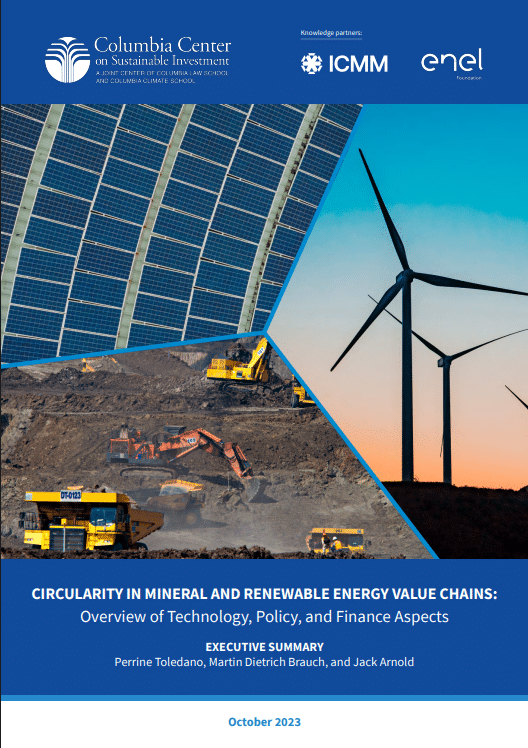
The global transition to renewable energy systems will be mineral intensive and, under the current linear economy conditions,...


Recommending careful consideration of land banking for large-scale land-based investment as a policy mechanism, and deeper research to better understand its implications for sustainable development


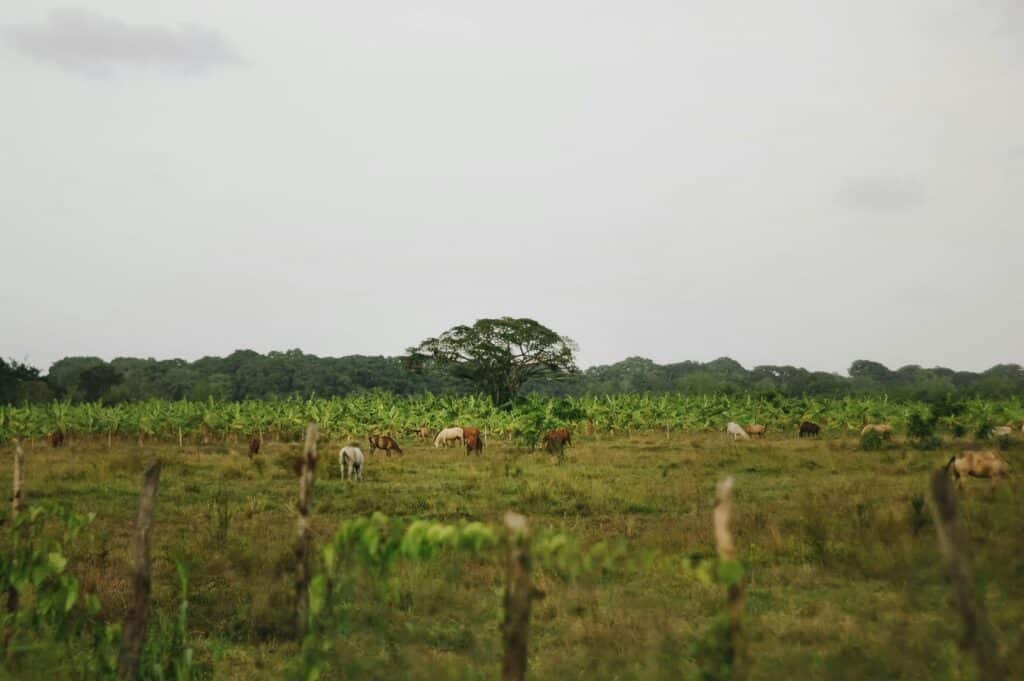
Public banking of land for private investment appears to have emerged since the 2007–2008 global financial crisis as a common yet under-researched policy mechanism. A snapshot investigation revealed that a number of countries, particularly low- and middle-income countries (including Botswana, Ethiopia, Ghana, India, Indonesia, Kenya, and Tanzania), have attempted or are pursuing land banking policies to encourage large-scale land-based investment (LSLBI). Information about these mechanisms, including their existence and efficacy, is scant. If not done responsibly, land banking for this purpose could have far-reaching implications for local communities and risks perpetuating the same problems associated with LSLBI that decades of study have revealed. This issue paper recommends careful consideration of land banking for LSLBI as a policy mechanism and deeper research to better understand its implications for sustainable development.
We welcome engagement on this topic. If you have information or ideas to share, contact Esther Akwii (ea3078@columbia.edu) and Thierry Berger (thierry.berger@iied.org).
This resource was produced as part of ALIGN, funded by UK Aid from the UK government.