Time and Compromise in UNCITRAL’s Working Group III
During the week of 22 September 2025, States once again met in Vienna under Working Group III (WGIII)...
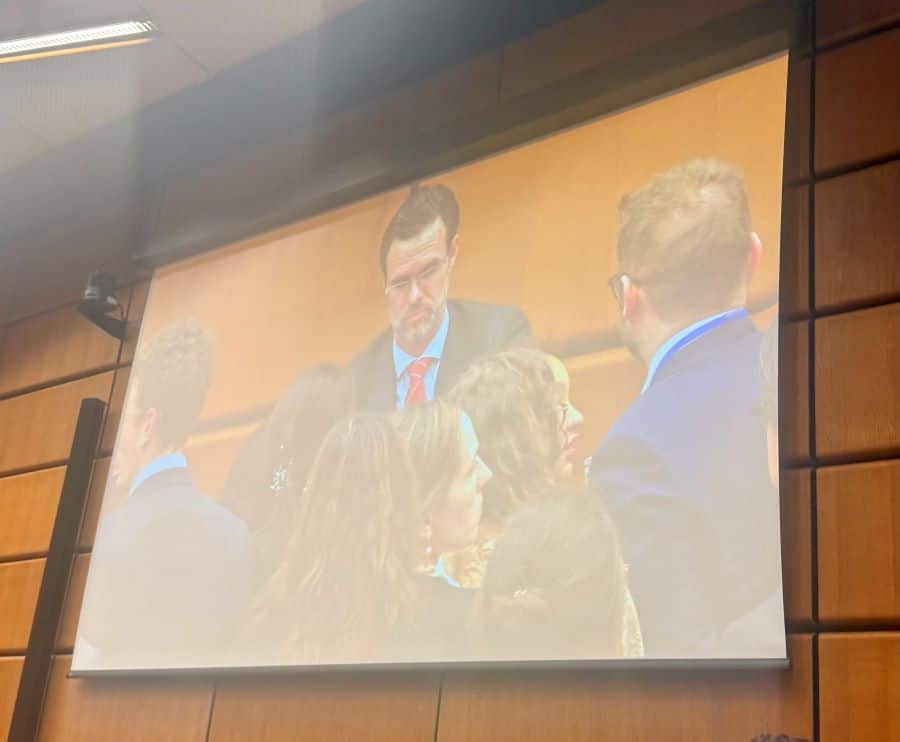
During the week of 22 September 2025, States once again met in Vienna under Working Group III (WGIII)...


The global transition to renewable energy systems will be mineral intensive and, under the current linear economy conditions,...



This 2019 paper, published in the Sciences Po Legal Review issue devoted to the climate crisis, explains how the investor-state dispute settlement (ISDS) mechanism, made available to investors in thousands of bilateral and multilateral trade and investment agreements, may influence the future of environmental justice. It revisits and builds upon discussions of how ISDS may chill legitimate and necessary regulation (or shift the costs thereof), elaborating upon theories of chill and providing examples of how ISDS has been used to challenge actions taken to address the climate crisis and protect threatened water resources. The paper also then explores implications for the environmental justice dimensions of environmental regulation, describing how ISDS can undermine democratic processes and stakeholders’ abilities to meaningfully participate in environmental decision making and protect their rights. The paper concludes with recommendations on how states can address the systemic impact of ISDS on regulatory space over environmental and other matters of public interest.
A shorter version of this piece was published on the Kluwer Arbitration Blog on November 13, 2019.