Time and Compromise in UNCITRAL’s Working Group III
During the week of 22 September 2025, States once again met in Vienna under Working Group III (WGIII)...
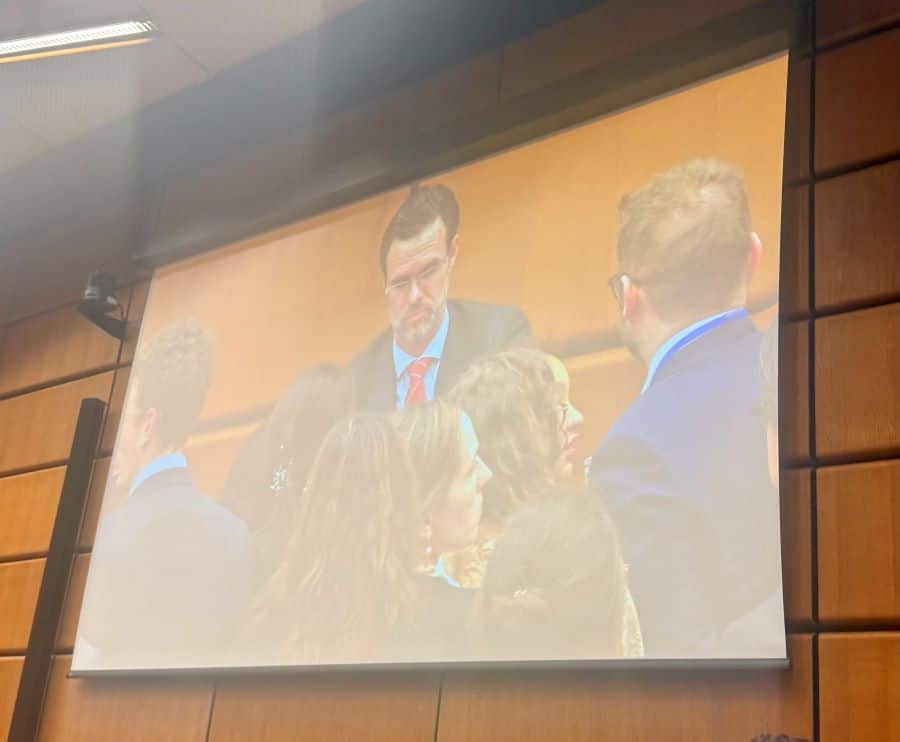
During the week of 22 September 2025, States once again met in Vienna under Working Group III (WGIII)...

The global transition to renewable energy systems will be mineral intensive and, under the current linear economy conditions,...


Building circular economy systems that reduce resource pressure, keep materials in use, and support sustainable development

Today’s linear “take–make–dispose” model accelerates ecological damage and deepens dependency on finite resources.
But renewable energy requires non-renewable resources — from critical minerals to land-intensive materials — making circularity essential to just transitions. Circular economy approaches can cut emissions, reduce waste, and extend the life of essential materials.
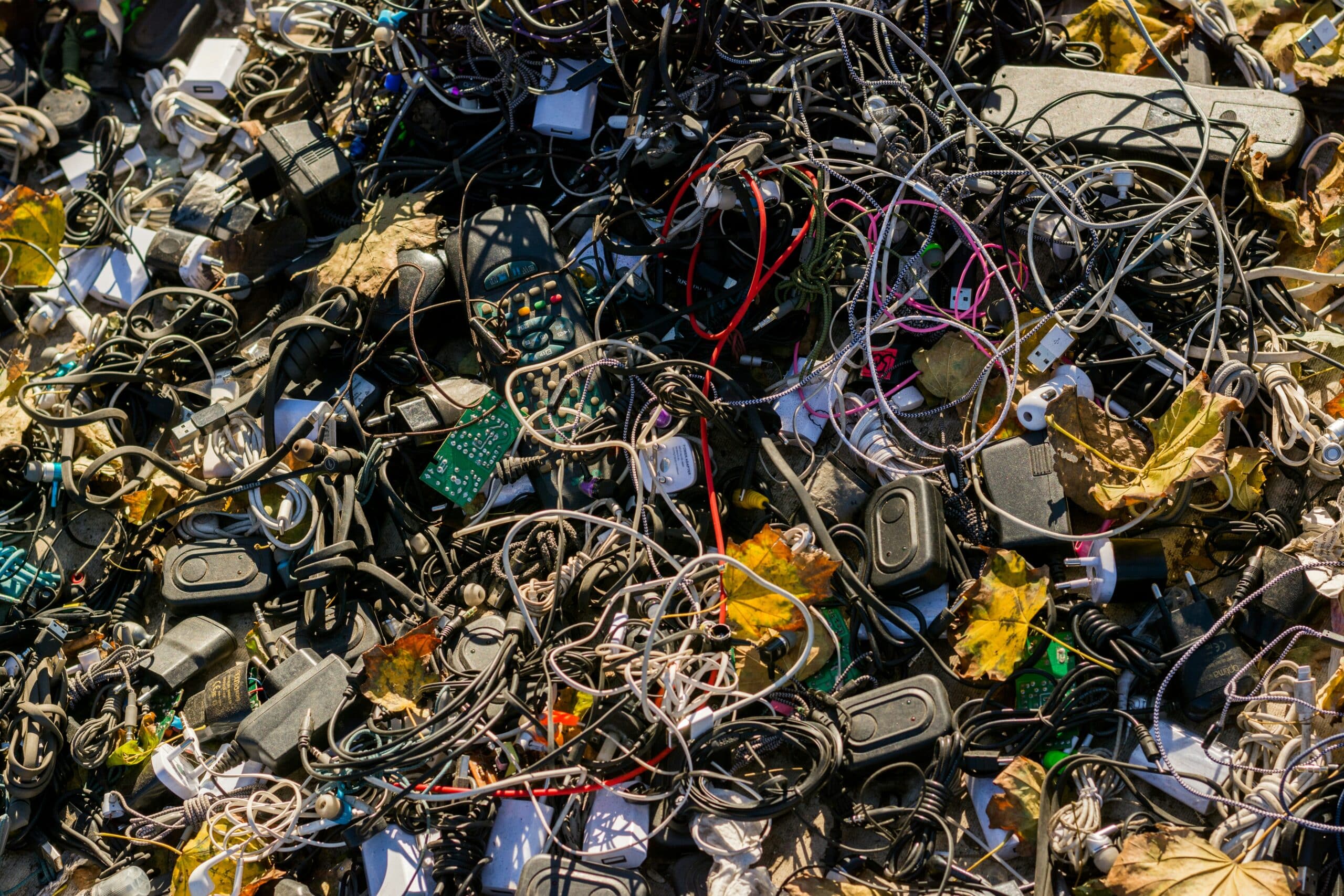
At CCSI we embed circular policy in real-world transitions by identifying leverage points across value chains where smarter design, reuse, repair, and recycling can reduce pressure on land, ecosystems, and supply chains.
We combine legal, economic, and industrial policy expertise to create investment-ready approaches to value chain transformation by advancing new models, like Metals-as-a-Service, to help close the material loop and secure the resources needed for a sustainable transition.
The global transition to renewable energy systems will be mineral intensive and, under the current linear economy conditions,...
Filter by:
Type 0
Region 0
Author 0
Type 0
Region 0
Author 0

Exploring the HVAC sector’s role in decarbonizing the built environment while meeting surging heating and cooling demand through a transition to low-GWP, PFAS-free refrigerants, stronger refrigerant circularity (recovery, reuse, and leakage prevention), and high-efficiency practices. CCSI’s guide maps these as a single, mutually reinforcing nexus, backed by credible transition plans.


Follow connections across themes to uncover deeper perspectives.
View All
Accelerating low-carbon industry by aligning technology, policy, finance, and development priorities across entire value chains...
Strengthening industrial strategies through ambitious and achievable national plans for climate action and sustainable development...

Aligning mining with the Sustainable Development Goals, with a focus on resource-rich developing economies...

Assessing what’s truly actionable for businesses within real mandates, markets, and sustainability commitments...

Designing financial frameworks and strategies that align financial-sector decision-making with real-economy climate and development outcomes....