Time and Compromise in UNCITRAL’s Working Group III
During the week of 22 September 2025, States once again met in Vienna under Working Group III (WGIII)...
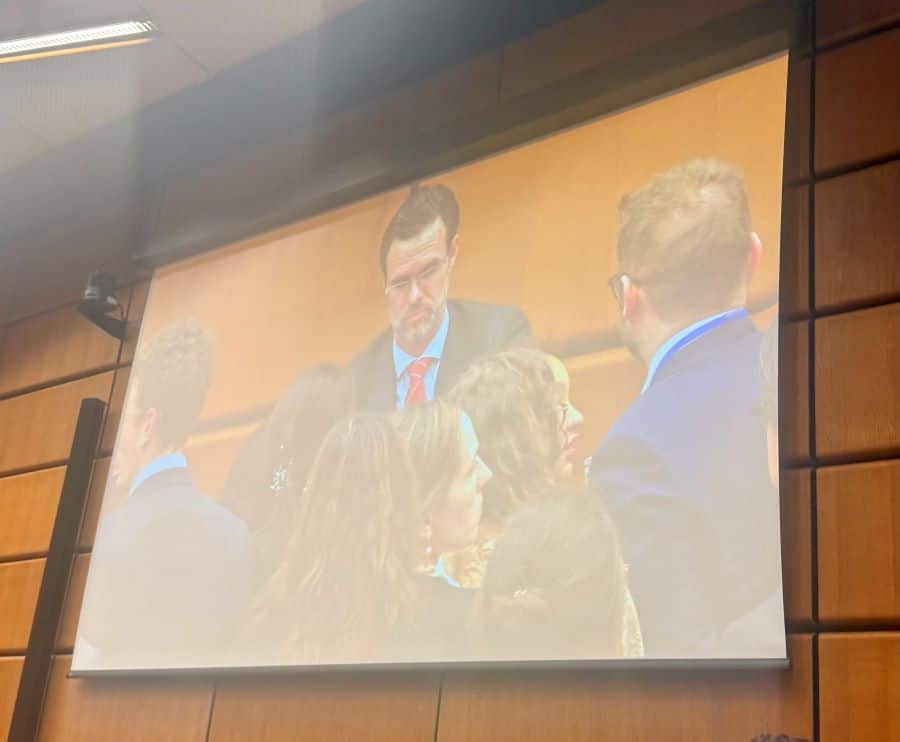
During the week of 22 September 2025, States once again met in Vienna under Working Group III (WGIII)...

The global transition to renewable energy systems will be mineral intensive and, under the current linear economy conditions,...


Indonesia is in a unique position to pioneer a new model of resource-based sustainable development. Its vast nickel reserves are crucial for the global renewable energy, green steel, and electric vehicle ecosystems, positioning the country to move beyond upstream raw material exports and lead high-value mid- and downstream sectors of renewable energy and industrial value chains. Over the course of 2025 and 2026, CCSI is working with local stakeholders to advance Indonesia’s green industrial transition.

Indonesia has a dual opportunity to leverage its high potential for renewable energy to decouple industrial growth from coal dependence, while securing long-term sustainable development. As Southeast Asia is projected to account for more than one-quarter of global energy demand growth by 2035, largely due to expanding industrial activity, Indonesia’s approach to green industrialization will shape not only its national decarbonization and sustainable development pathway but can also serve as a blueprint for low-carbon industrialization across the region.
Supported by Yayasan Visi Indonesia Raya Emisi Nol Bersih (ViriyaENB) and part of its Transition Minerals and Green Industrialization program, CCSI is developing a three-pillar approach to enable strategic coordination between Indonesian mining policy, industrial policy, clean energy planning, and investment frameworks, unlocking significant environmental, social, and economic benefits. The approach includes a plan to integrate circular economy principles into Indonesia’s mining and industrial sectors, establish a feedback loop between mining, renewable energy, and industry, and secure sustainable financing for Indonesia’s green industrialization.
Stay tuned for our outputs under this project throughout 2026.
The Market Assessment on Critical Minerals Innovation in Developing Countries prepared by CCSI and Columbia Engineering for the United Nations Industrial Development Organization (UNIDO) found that Indonesia’s policy landscape is evolving to support circularity, yet substantial regulatory gaps remain. Despite their rich endowment of nickel, large volumes of mining waste, including tailings and end-of-life products, remain unutilized. This not only contributes to environmental degradation but also represents a missed economic opportunity, as shown by CCSI’s report on Circular Economy in Mineral and Renewable Energy Value Chains.
The circular economy pillar of this project contributes evidence-based policy analysis and recommendations to further integrate circular economy principles and strategies into Indonesia’s green industrial policies to support circularity, waste management, the recovery of critical minerals from secondary sources, and industrial symbiosis, with a view to addressing the current regulatory and strategic challenges.
Indonesia stands to benefit from a more deliberate and strategic approach to establish a cohesive feedback loop between mineral value chains, renewable energy development and deployment, and green industrialization, as outlined in CCSI’s Roadmap to Zero-Carbon Electrification of Africa by 2050 and work on Shared Use of Mining-Related Infrastructure.
The feedback loop pillar of this project provides policy insights and guidance on coordinating upstream mineral extraction, midstream processing in industrial parks, and downstream renewable energy industries into a virtuous cycle that strengthens the mining sector, enhances energy systems, and supports both established and emerging industrial sectors. CCSI is engaging mining companies, government officials, and other relevant industry players and developing a policy concept note outlining the structure, benefits, and enabling conditions for such a feedback loop in Indonesia, with concrete examples drawn from the nickel sector.
Finally, like many other emerging markets and developing economies (EMDEs), Indonesia faces persistent barriers to financing its green industrial ambitions. These constraints do not stem from a lack of capital or investor interest. The binding challenge lies instead in the structure and cost of capital and in the absence of enabling conditions that allow long-term, decarbonized industrial investment to become consistently bankable. Blended finance instruments, guarantees, and other risk-sharing tools remain underutilized. This hinders the flow of patient capital and climate finance needed to advance innovation, infrastructure, and the systemic transformation of value chains.
The sustainable finance pillar of this project directly addresses these financing bottlenecks through targeted research and policy recommendations informed by global best practices and tailored to Indonesia’s national and sectoral contexts.

A market assessment to strategically evaluate technological innovation in critical mineral value chains in developing countries, focusing on the mid- and downstream and concluding in recommendations to ramp up such innovation

 +2
+2Access key publications, tools, training programs, and learning materials related to this project.
Filter by:
Themes 0
Type 0
Region 0
Author 0
Themes 0
Type 0
Region 0
Author 0
No matching results.

Building circular economy systems that reduce resource pressure, keep materials in use, and support sustainable development...
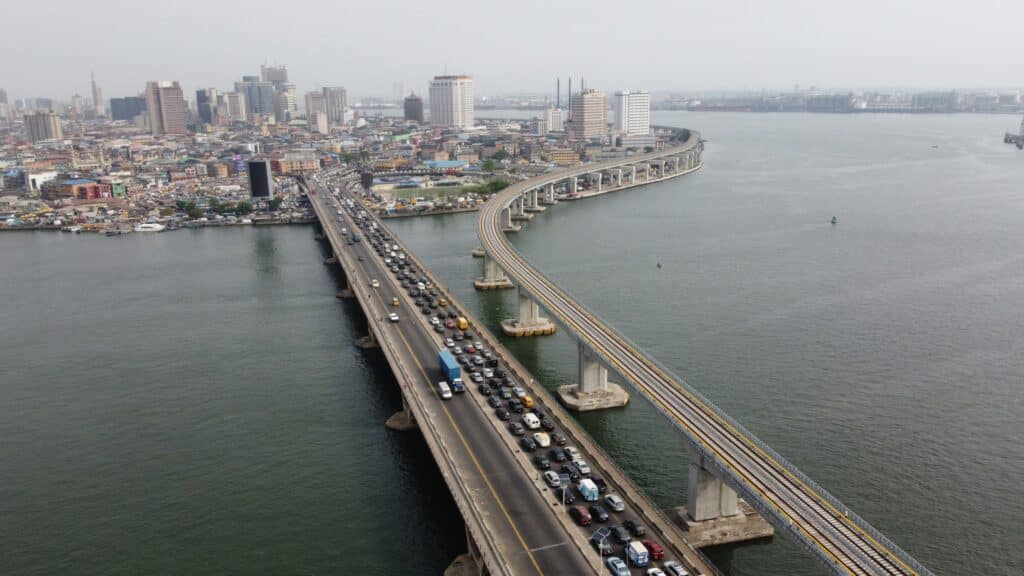
Designing strategies that integrate sustainability, equity, and long-term economic resilience...

Designing financing architectures that align public and private capital with climate and development priorities....
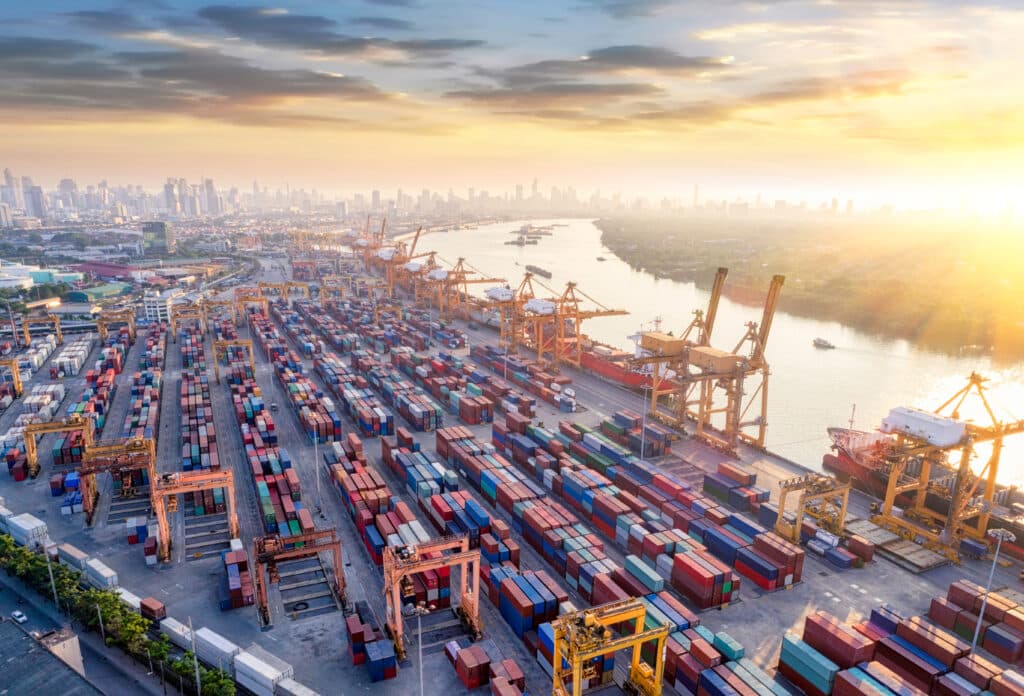
Strengthening industrial strategies through ambitious and achievable national plans for climate action and sustainable development...
Aligning mining with the Sustainable Development Goals, with a focus on resource-rich developing economies...

Designing financial frameworks and strategies that align financial-sector decision-making with real-economy climate and development outcomes....